.
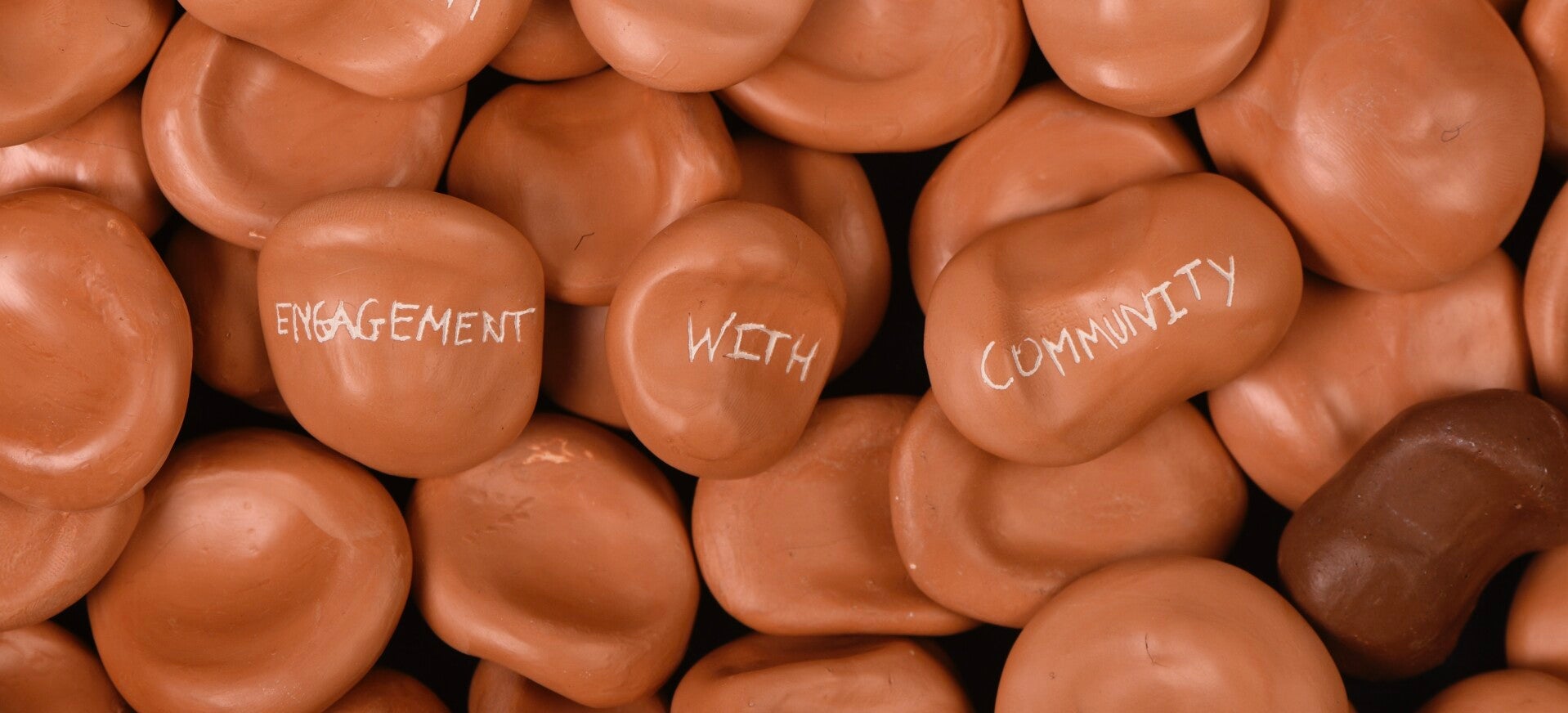
For queer individuals, engagement within queer community is necessary to allow for development of identity, authenticity, and a sense of belonging and understanding. Engagement with community encompasses a range of interactions that a person might have with other individuals or groups of people, as well as attending queer focused events and consuming queer media. At the core of any example of engagement with community lies an engagement with a queer space.
In places where queer spaces are not already present, they must be deliberately created and fostered. The question that emerged in the development of this project was: can clay, as a material, play a role in the fostering of queer spaces, as to encourage engagement and community building?
Queer Connections and Fostering Inclusion: Reflections on Qualitative Focus Group Design. Betts and Herb (2023)
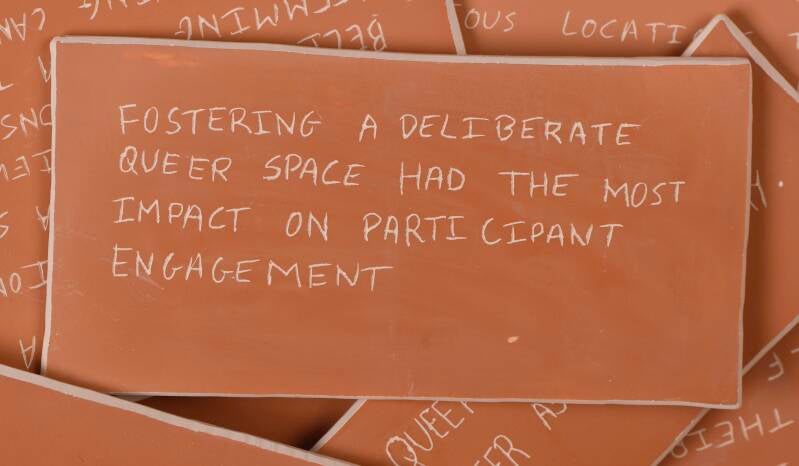
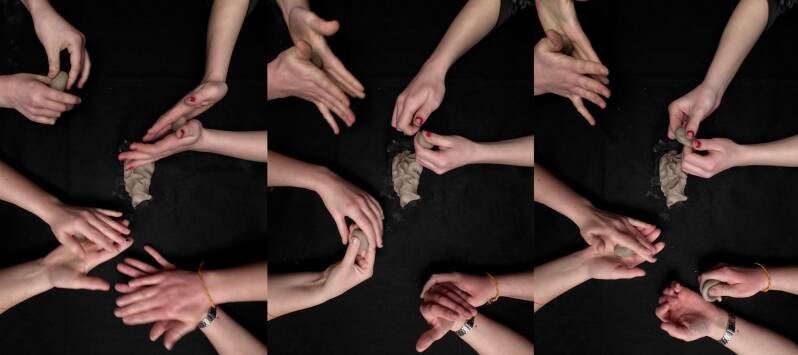
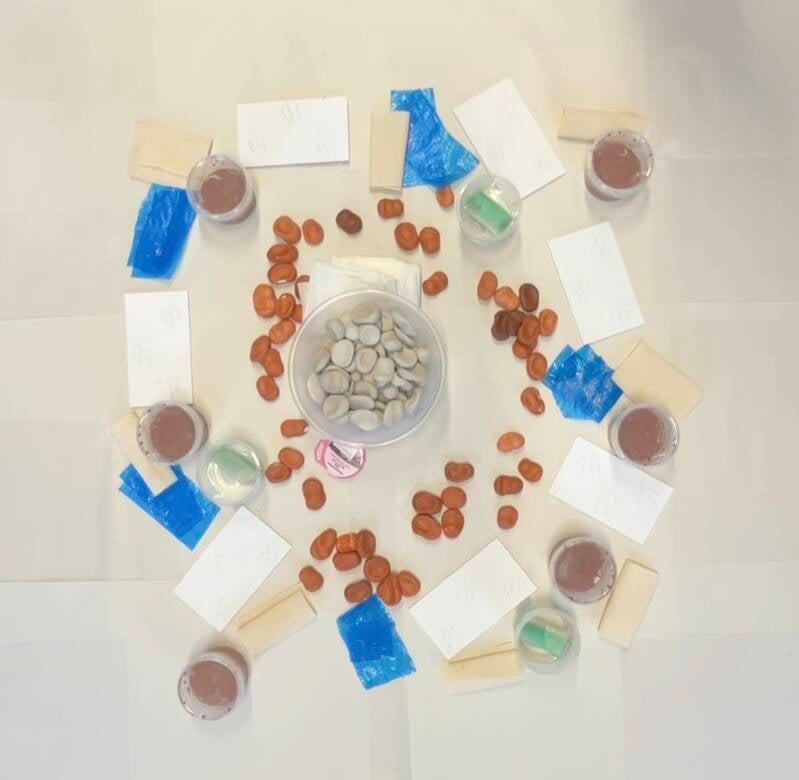
Queer spaces can be fostered through the discussion of queer topics, the sharing and listening of experience and encouraging the act of queering. As a material, clay can act as a grounding tool. The idea for this project was to merge these ideas and use ceramic making to guide conversation, encourage sharing, form connections, and queer both community practice and ceramic practice.
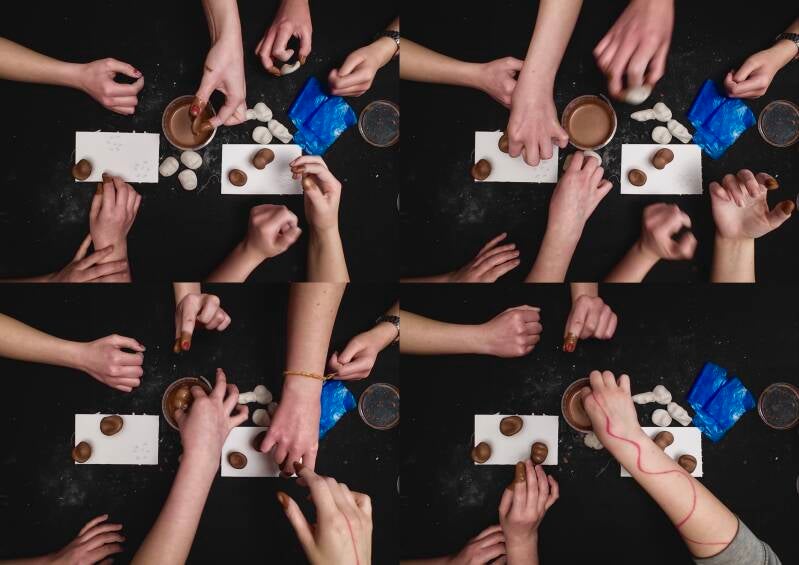
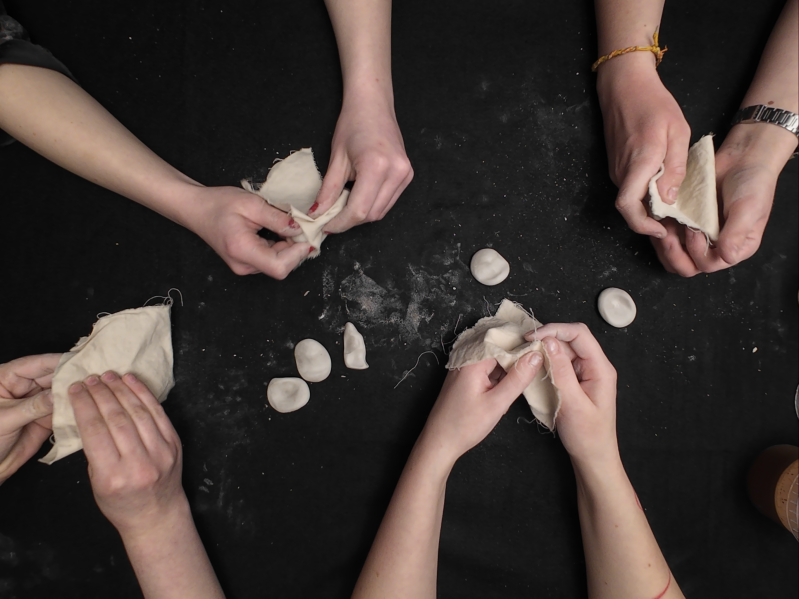
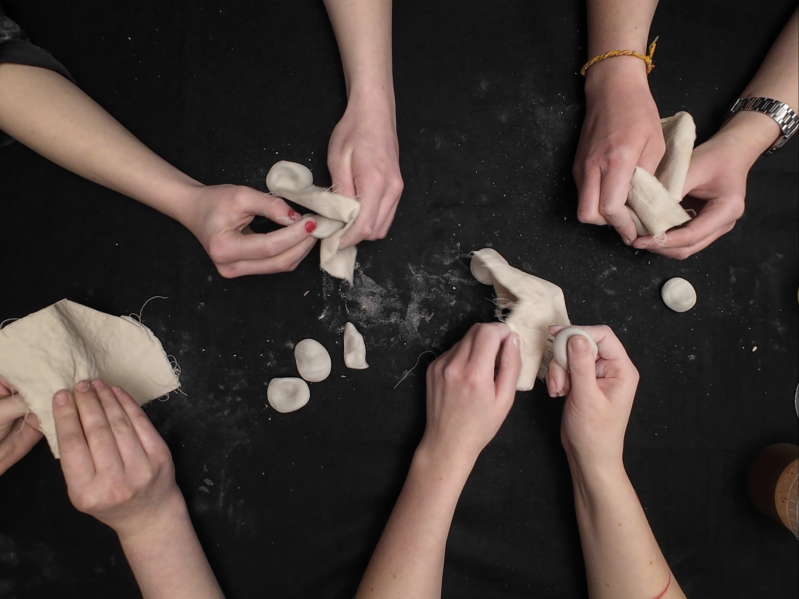
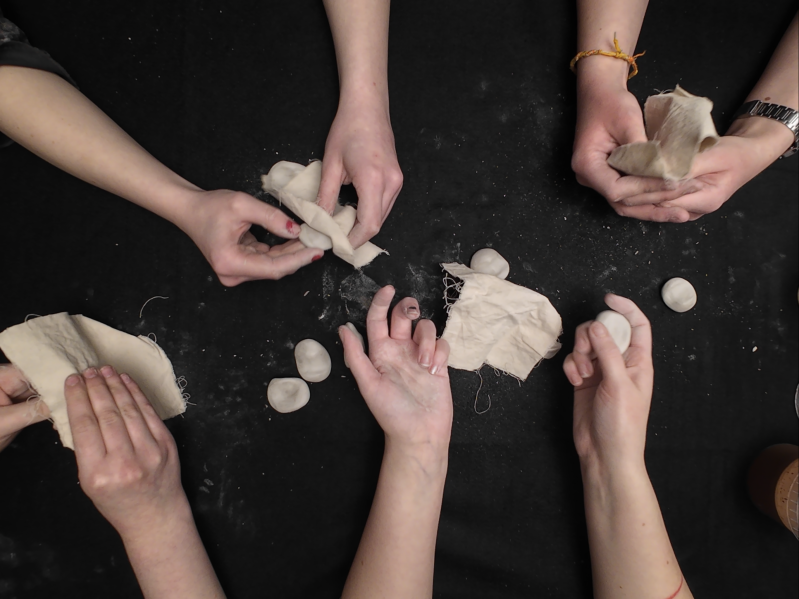
The conversations within workshops drew from auto-ethnographical and lecture performances methodologies. Simultaneously making with clay allowed participants to have a common activity to link the conversation to, while mirroring ideas of sharing.
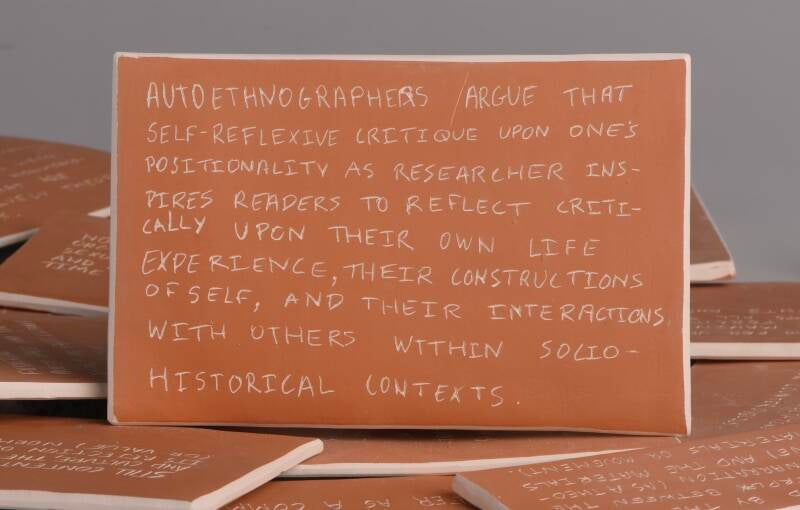
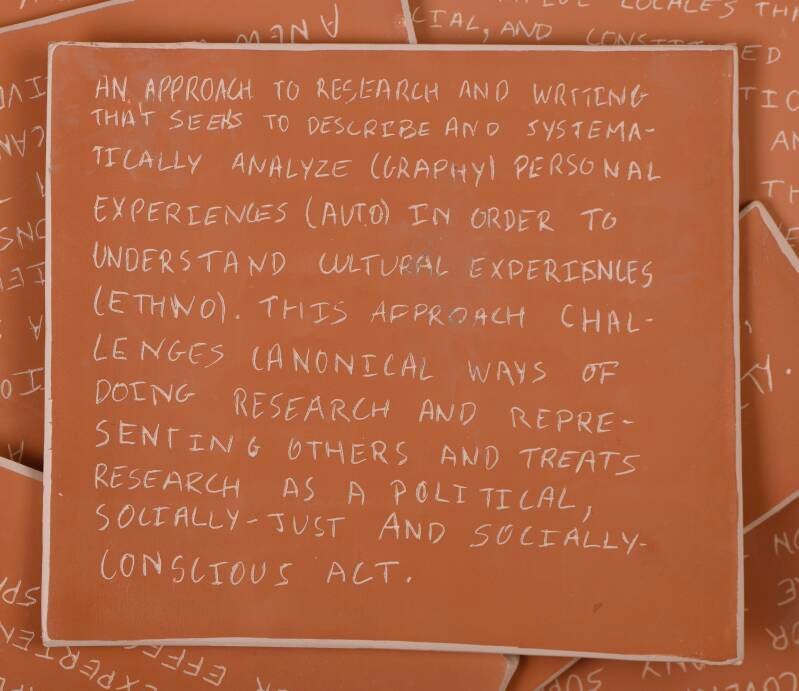
Performing Autoethnography: An Embodied Methodology Praxis. Spry (2001)
Autoethnography: An Overview. Ellis (2011)
How to open my eyes? The performance-lecture as a method within artistic research. Cerezo (2016)
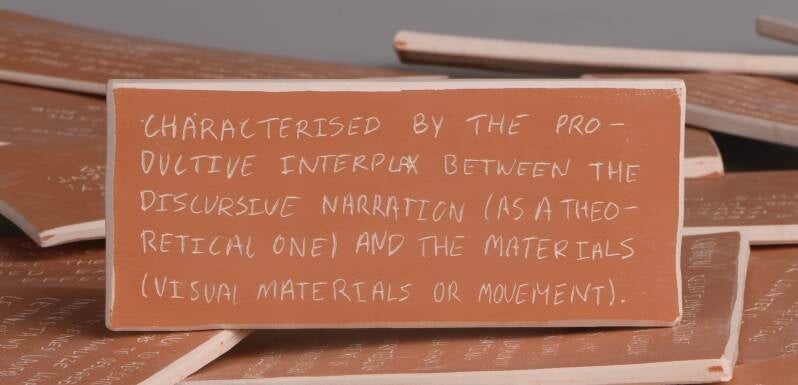
Teaching As Art: The Contemporary Lecture-Performance. Milder (2011)